Key takeaways
- AI agent platforms split into two groups. One is horizontal foundation-model and hyperscaler players (OpenAI, Microsoft, Anthropic). The other is specialized platforms built for one workflow, which is what this list covers.
- Ratings, pricing, and proof points vary widely. Only 9 of the 13 vendors below have a confirmed, public G2 rating, and only 4 have a named, dated customer result rather than a logo wall or an aggregate stat.
- The right pick depends on use case, technical fit, channel coverage, governance, and vendor transparency, not just feature breadth. See the “How to pick an AI agent platform” section below.
Household names like OpenAI, Anthropic, Microsoft, and Google Cloud also get called “AI agent platforms.” They build the foundation models several vendors below run on. This list focuses specifically on AI agent platforms built for real business workflows, not the underlying model providers.
At a glance
- Delight.ai is best for CX teams wanting omnichannel, memory-driven support with transparent per-resolution pricing.
- Cognition Labs (Devin) is best for engineering teams automating software delivery end-to-end.
- Salesforce Agentforce is best for enterprises already invested in the Salesforce ecosystem.
- UiPath is best for enterprises automating cross-functional workflows at scale.
- MavenAGI is best for CX teams wanting a no-code agent plus an internal copilot.
- Relevance AI is best for teams building multiple custom agents without heavy engineering.
- Lindy is best for individuals and small teams wanting a general-purpose personal agent.
- Moveworks is best for large, compliance-heavy enterprises standardizing employee support.
- Decagon is best for CX teams prioritizing fast implementation and proven deflection.
- Aisera is best for large enterprises consolidating IT, HR, and CX support.
- Sierra is best for enterprises with budget for a fully bespoke conversational agent.
- Beam AI is best for operations teams automating cross-functional business processes.
- AgentOps AI is best for engineering teams building and debugging their own agent stack.
The 13 AI agent platforms compared
How we evaluated each AI agent platform
We judged every vendor on the same five criteria below, the ones that matter most when you're actually choosing a B2B tool rather than just browsing features.
- Use case fit (Best for): The clearest signal of whether a platform is right for you is whether it was built for your specific problem. A tool built for engineering automation won't serve a CX team well, no matter how strong its reviews are.
- Capabilities (Key benefits): What a platform can actually do, not just what it claims to do, determines whether it solves your problem end to end or only partway.
- Pricing: Budget is usually a hard constraint set by finance or leadership before you ever get to a demo, so we list exact pricing or the clearest available estimate for every vendor, and flag the ones that don't publish pricing at all.
- G2 rating: Independent, aggregated customer sentiment shows what real users think after the sales process ends. Only 9 of the 13 vendors here have a public score.
- Proof point: A named, dated customer result is stronger evidence that a vendor delivers than a logo wall or an unsourced aggregate stat. Only 4 of the 13 vendors have one.
Where a vendor doesn't publish pricing, isn't listed on G2, or has no named customer result, we say so directly instead of leaving it blank.
Review of the 13 AI agent platforms
1. Delight.ai
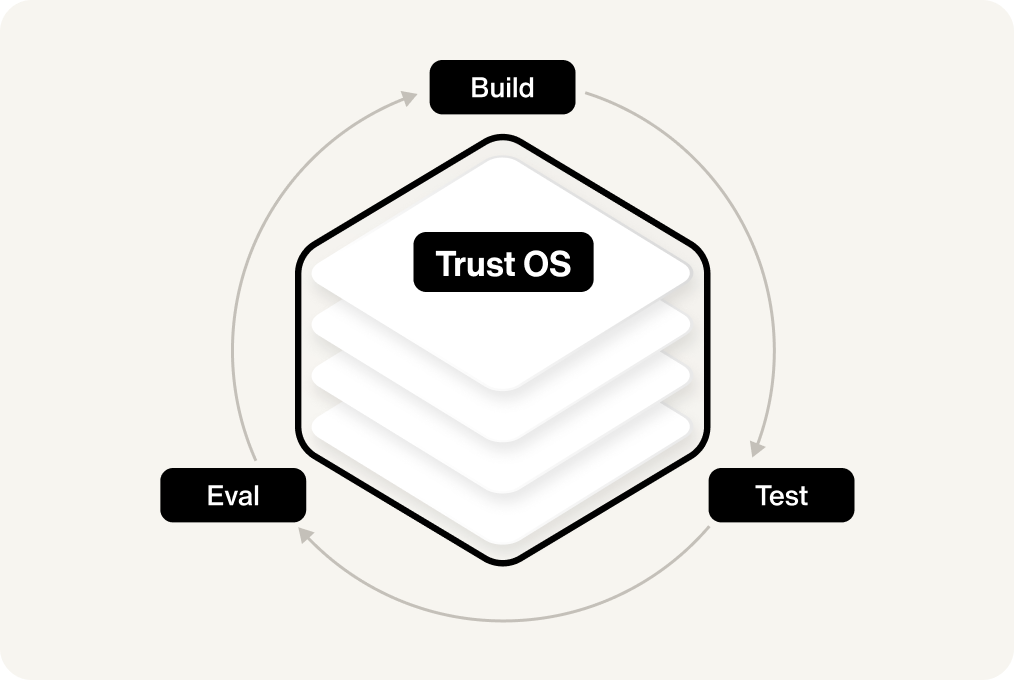
Best for: CX leaders and support teams that want omnichannel, memory-driven AI agents with transparent, per-resolution pricing.
Delight.ai (formerly Sendbird) is a no-code AI agent platform for customer experience. Its agents remember every interaction across chat, SMS, WhatsApp, email, and voice, so returning customers pick up right where they left off, and the platform integrates with your existing support stack instead of replacing it.
- Pricing: Conversation-based usage fees, $0 seat fee.
- G2 rating: 4.6/5 (124 reviews).
- Proof point: Norse Atlantic Airways grew AI containment from 60% to 80% in two weeks after replacing a legacy chatbot (Alf Lim, Chief Product Officer, January 2026).
Key benefits
- No-code builder trained on your knowledge base, policies, and support playbooks
- Agent Memory Platform that unifies every customer interaction into one evolving profile
- Trust OS governance layer for real-time monitoring and risk control
- White-glove onboarding from proof-of-concept through deployment
2. Cognition Labs (Devin)
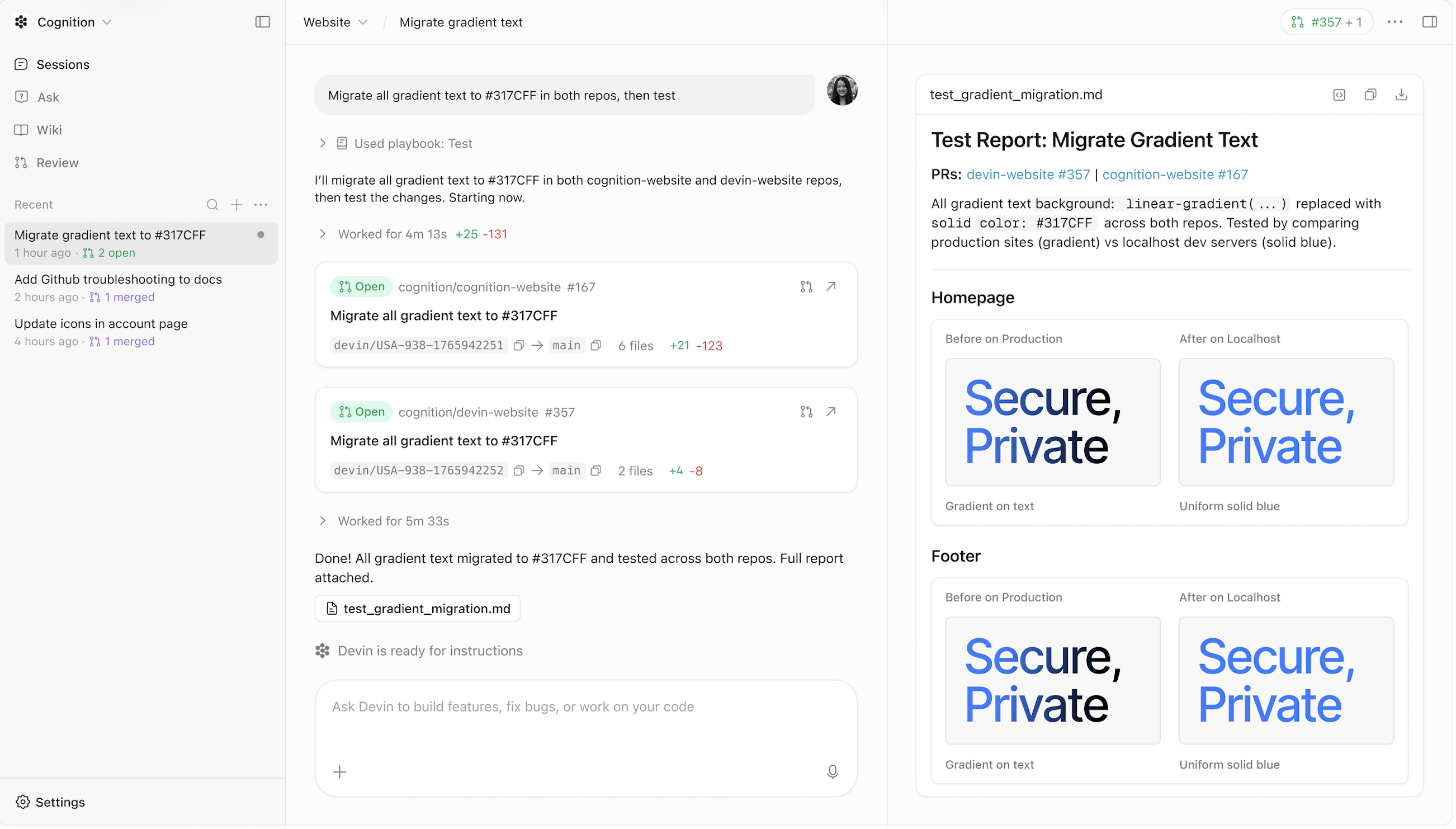
Best for: Engineering teams that want to automate software delivery end-to-end, from planning to deployment.
Cognition Labs's AI agent, Devin, plans tasks, writes code, runs tests, debugs, and deploys software with minimal human oversight. It operates in a real development environment, integrates with GitHub, Slack, and CI/CD pipelines, and can deploy in a Virtual Private Cloud for enterprise data control.
- Pricing: $20/month (Core), $500/month (Team, 250 Agent Compute Units), custom Enterprise.
- G2 rating: Not on G2 (Trustpilot ~3.0/5).
- Proof point: Not published. Cognition Labs hasn't released a named, dated customer result.
Key benefits
- Autonomous software engineer that plans, codes, tests, and deploys end-to-end
- MultiDevin manages parallel agents and large backlogs at once
- VPC deployment for full data and compliance control
- Custom-trainable Devins for specific engineering tasks
3. Salesforce Agentforce

Best for: Enterprises already invested in the Salesforce ecosystem that want agentic AI built directly into their CRM.
Salesforce Agentforce embeds AI agents across Sales, Service, and Marketing Cloud (rebranded on G2 as separate Agentforce products), handling customer conversations and internal workflows using your existing CRM data.
- Pricing: $2 per conversation (Conversations tier), which requires Service Cloud and typically a 5-11 month setup, plus custom enterprise pricing.
- G2 rating: 4.3/5 (1,109 reviews). Salesforce's G2 presence is now split across several rebranded Agentforce product pages.
- Proof point: Salesforce reports 29,000+ Agentforce deals and $800M in related ARR, though under 10% of customers have scaled it and out-of-box accuracy runs around 35% (2026, an aggregate figure rather than a single named account).
Key benefits
- Built directly into Salesforce Sales, Service, and Marketing Cloud
- Conversation-based pricing for customer-facing agents
- Deep integration with existing CRM data and workflows
- Backed by Salesforce's enterprise support and partner ecosystem
4. UiPath
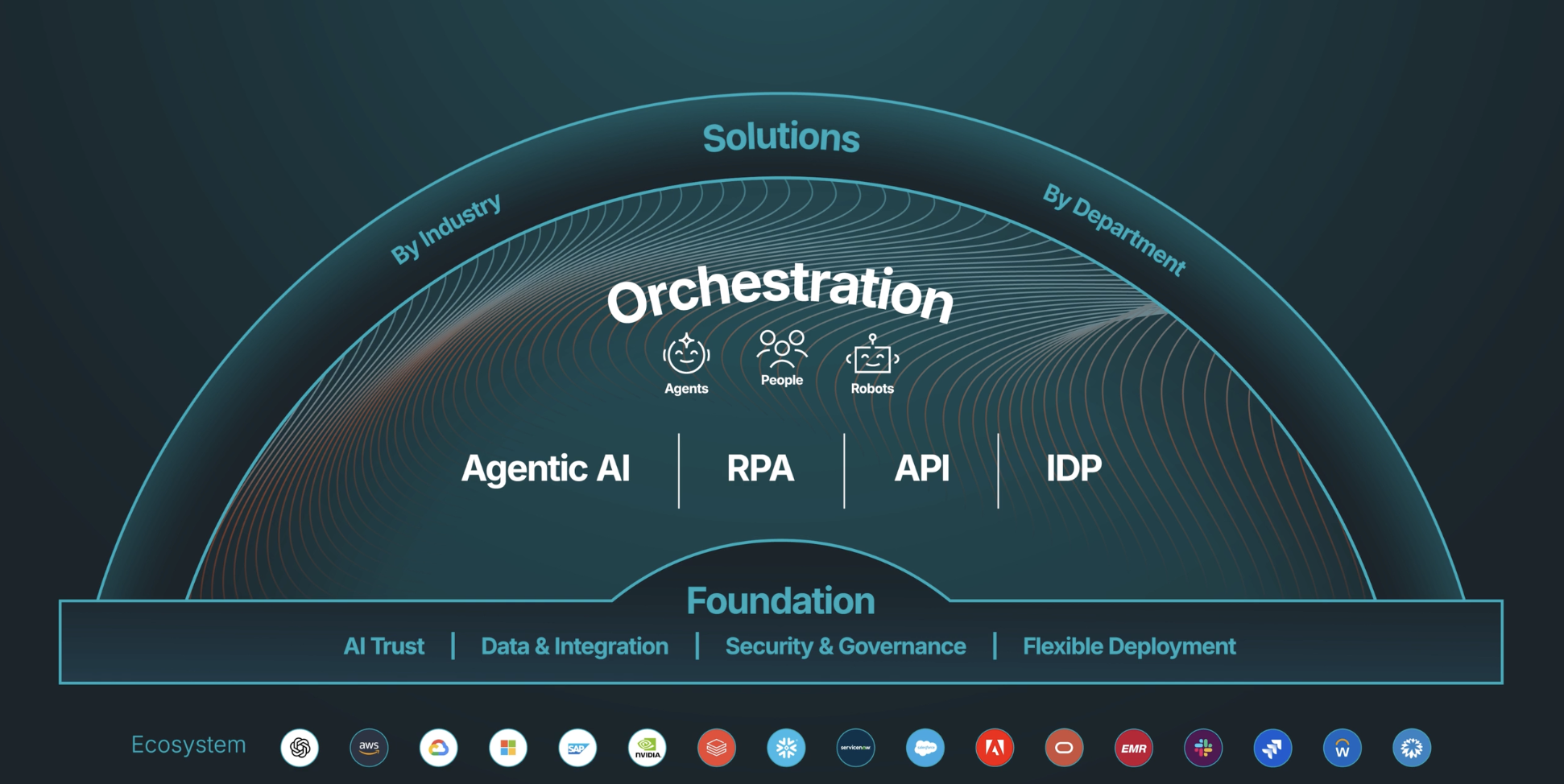
Best for: Enterprises that want to automate cross-functional workflows at scale using a mix of AI agents, bots, and humans.
UiPath's Agentic Automation Platform combines AI agents, RPA bots, and human input to orchestrate workflows across departments. Tools like Agent Builder and UiPath Maestro support both low-code and pro-code development, with enterprise-grade access controls.
- Pricing: From $25/month; median buyers pay around $370/year, scaling well beyond that for enterprise deployments.
- G2 rating: 4.5-4.6/5 (~7,770 reviews).
- Proof point: Not published as a single named result. UiPath cites aggregate customer data instead.
Key benefits
- Multi-agent orchestration with human-in-the-loop controls
- Supports both low-code and pro-code development
- Integrates third-party AI models and enterprise apps via API
- UiPath Maestro, Autopilot, and Healing Agent for adaptive automation
5. MavenAGI
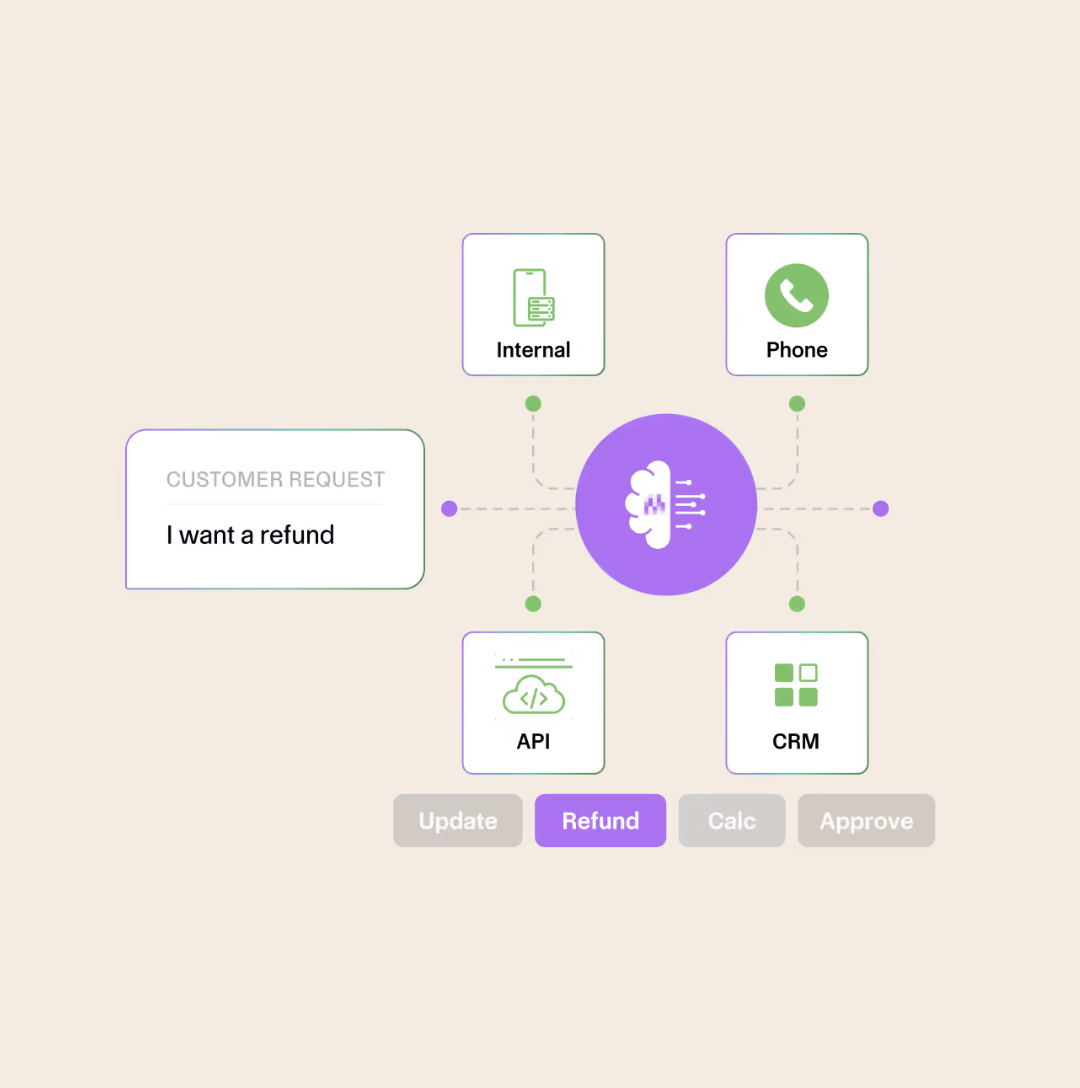
Best for: CX teams that want a no-code support agent plus an internal copilot for human reps.
MavenAGI's Agent Maven™ resolves customer tickets across SMS, chat, email, and phone, while Maven Copilot supports human agents with case summaries and suggested responses. Both are trained through a no-code interface.
- Pricing: Custom enterprise only; no published tiers or self-serve option.
- G2 rating: G2 badges, no aggregate score published.
- Proof point: Not published. No named, dated customer result found.
Key benefits
- Agent Maven™ delivers multi-channel support across SMS, chat, email, phone, and self-service
- Lets teams build and train agents on tone, knowledge, and actions without writing code
- Provides operational visibility, performance tracking, and system security for large-scale deployments
- Maven Copilot assists human agents with summaries and suggestions
6. Relevance AI
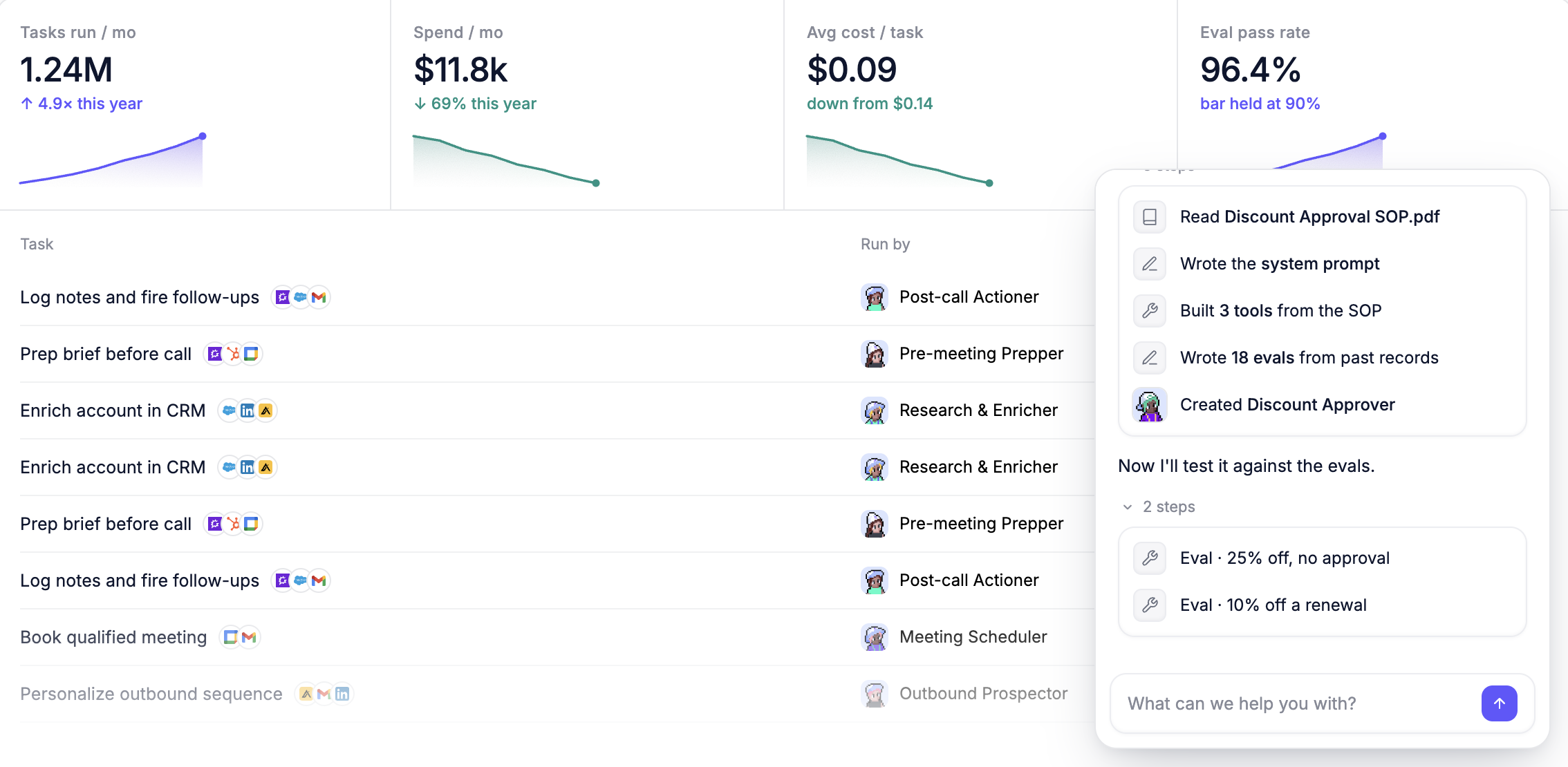
Best for: Teams that want to build and deploy multiple custom AI agents without heavy engineering.
Relevance AI is a no-code platform for assembling an “AI workforce” of agents that handle sales development, support, and research tasks, integrating with your existing tech stack.
- Pricing: Free tier (200 actions/month), Pro at $19/month (annual), Team at $234/month (annual, roughly $349 month-to-month), custom Enterprise.
- G2 rating: 4.8/5 (review count varies by source, roughly 21-50+ reviews).
- Proof point: Case studies with Qualified, Send Payments, and Zembl. Zembl reports using Relevance AI as a digital AI SDR to follow up on lower-scored leads and close language and coverage gaps across APAC and AMER (2026).
Key benefits
- No-code builder for SDR, support, and research agents
- Free tier available with 200 actions per month
- Integrates with existing tech stacks for lead scoring and follow-up
- Named case studies across sales and support use cases
7. Lindy
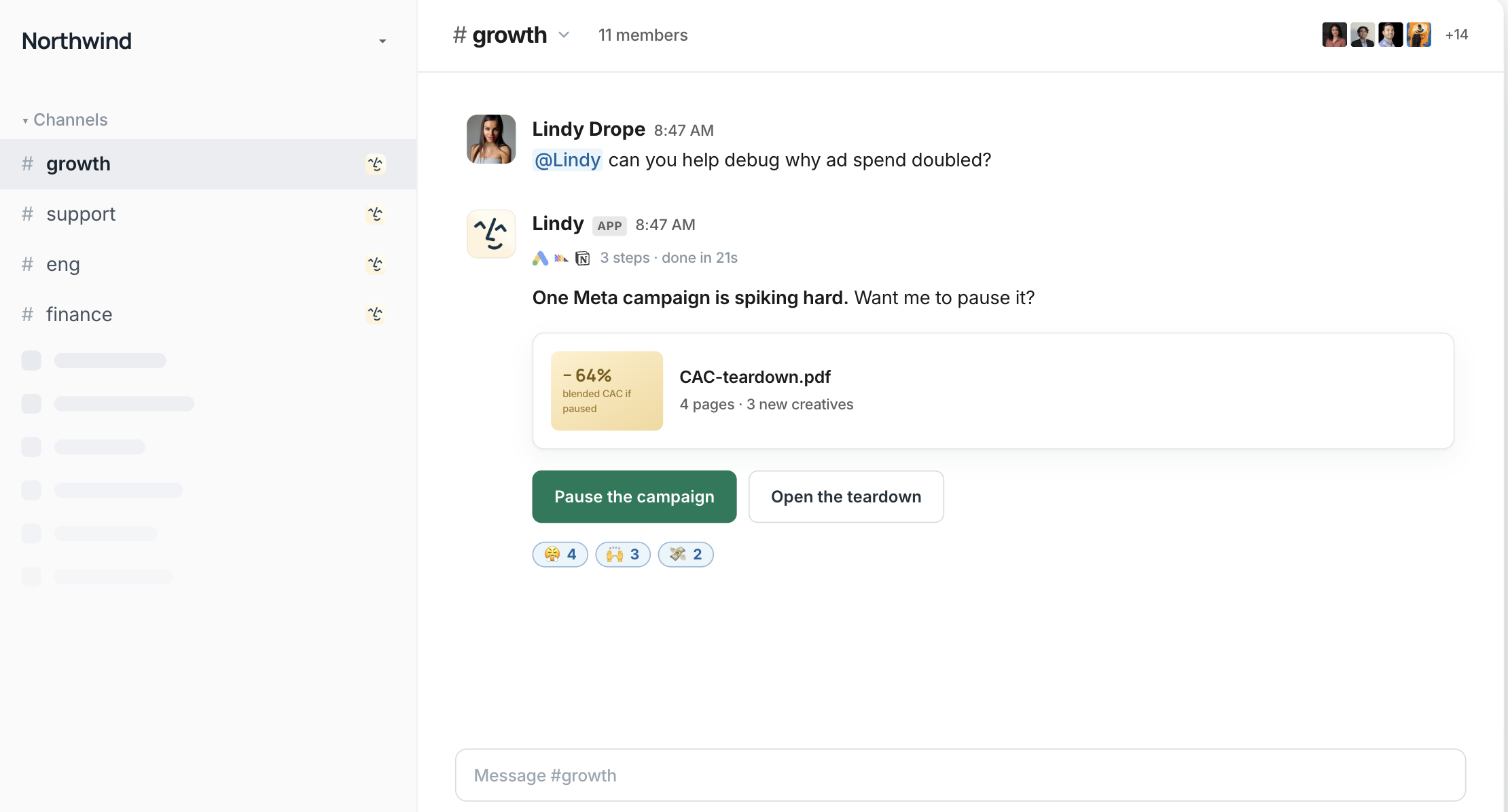
Best for: Individuals and small teams that want a general-purpose personal AI agent for email, scheduling, and research.
Lindy is a general-purpose AI agent platform that automates email, calendar management, and web research, with a computer-use capability on higher tiers.
- Pricing: Plus at $49.99/month (2 inboxes), Pro at $99.99/month (3x usage, computer use), Max at $199.99/month (7x usage, 5 inboxes), custom Enterprise. The free tier was discontinued in early 2026.
- G2 rating: 4.9/5 (170 reviews), though Trustpilot sits far lower at 1.7/5, with complaints about billing and support.
- Proof point: Not published. No named, dated customer result found.
Key benefits
- General-purpose agent for email, calendar, and web research
- Computer use capability on Pro and higher tiers
- Strong G2 sentiment on ease of use
- Credit-based usage across Plus, Pro, and Max tiers
8. Moveworks
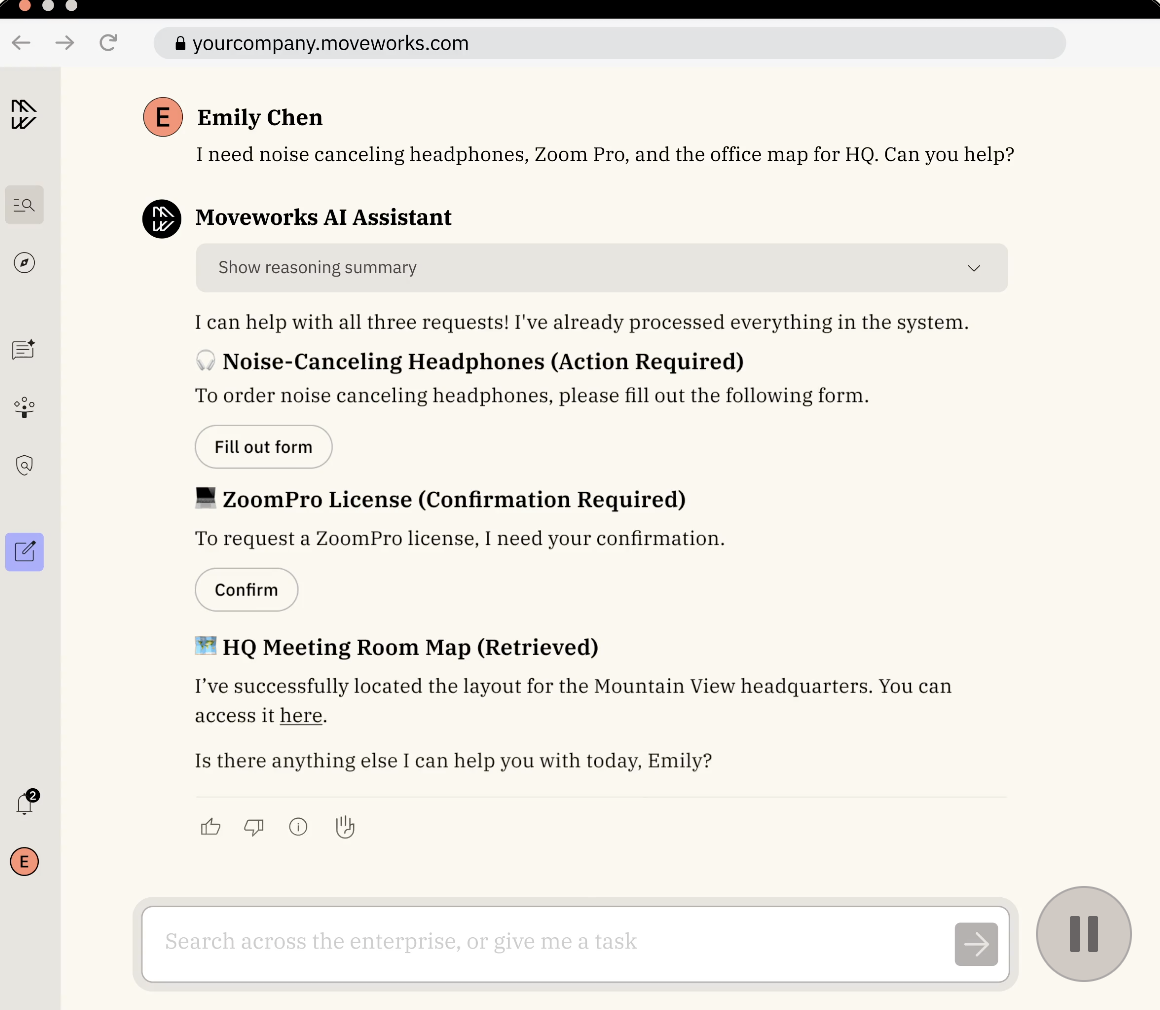
Best for: Large, compliance-heavy enterprises standardizing employee support.
Moveworks is an enterprise employee-support platform that classifies, routes, and resolves tickets using agentic RAG across hundreds of connected systems. It's the only agentic AI vendor listed in the FedRAMP® Marketplace.
- Pricing: Custom enterprise; disclosed figures suggest roughly $15-40 per employee per year.
- G2 rating: 4.4-4.6/5 (51-125 reviews).
- Proof point: Not published as a single named result. Moveworks cites aggregate customer data instead.
Key benefits
- Agentic RAG across systems, formats, and domains
- 100+ integrations and support for multiple LLMs
- Low-code Agentic Studio for scalable agent development
- FedRAMP® authorized for regulated industries
9. Decagon
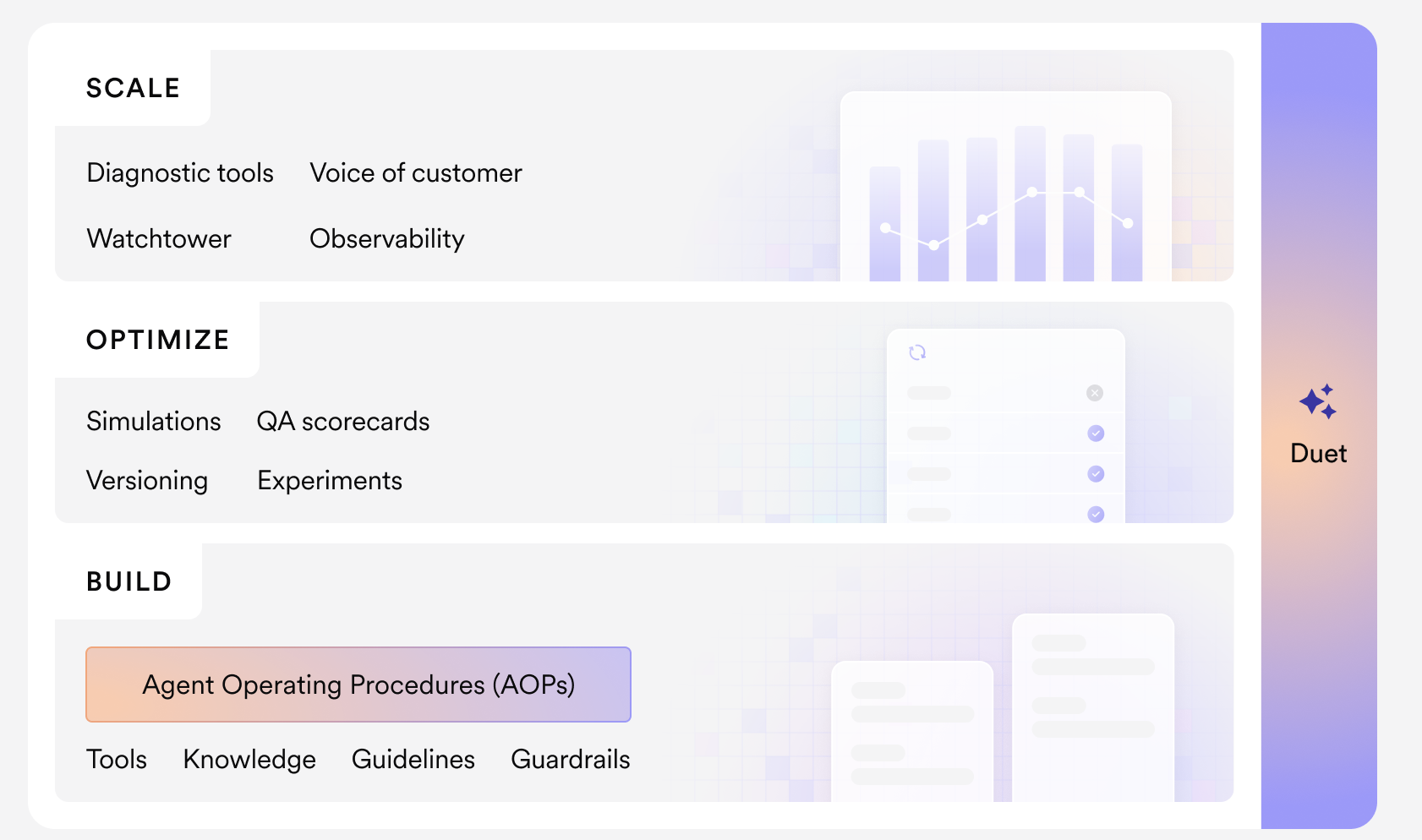
Best for: CX teams that want fast implementation and proven deflection results.
Decagon builds conversational AI agents that resolve customer issues across chat, email, and phone using Agent Operating Procedures instead of rigid scripts. Its AI copilot also supports human agents and improves through continuous learning.
- Pricing: Roughly $0.99 per conversation, or per-resolution pricing; annual contracts estimated at $95K-$590K+.
- G2 rating: 4.9/5.
- Proof point: Chime reports a 70% combined resolution rate; Duolingo reports 80% deflection; ClassPass reports a 10x increase in deflection; Hunter Douglas reports $1M in AI-handled revenue.
Key benefits
- Agent Operating Procedures for fast, scalable agent-building
- Resolves issues across chat, email, and phone
- AI copilot for human agents that improves over time
- AI-powered insights surface patterns and anomalies
10. Aisera
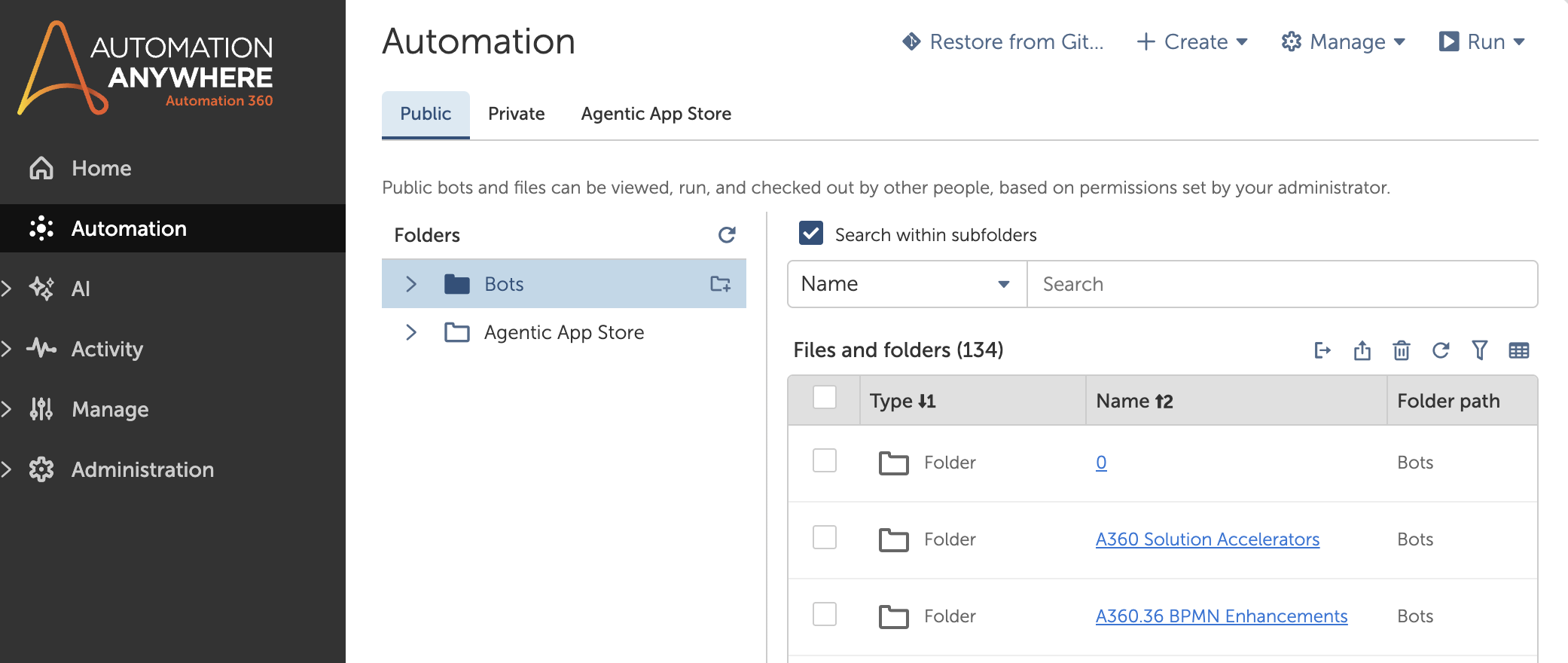
Best for: Large enterprises consolidating IT, HR, and CX support in one platform.
Aisera embeds AI agents directly into Salesforce, ServiceNow, Zendesk, and Jira to automate workflows and assist human agents with context-aware responses and summaries. Its Intelligent Swarming feature routes complex issues to the right experts automatically.
- Pricing: Custom enterprise, roughly $200K-$2M+ per year.
- G2 rating: 4.4/5 (147 reviews).
- Proof point: Named a Visionary in Gartner's 2025 Magic Quadrant for AI Applications in ITSM. No single named customer result was found beyond a logo wall.
Key benefits
- Agent Assist generates summaries and next-best actions using domain-specific LLMs
- Embedded directly into Salesforce, ServiceNow, and Zendesk
- Intelligent Swarming routes issues to cross-functional experts
- Automated wrap-ups and knowledge article generation
11. Sierra
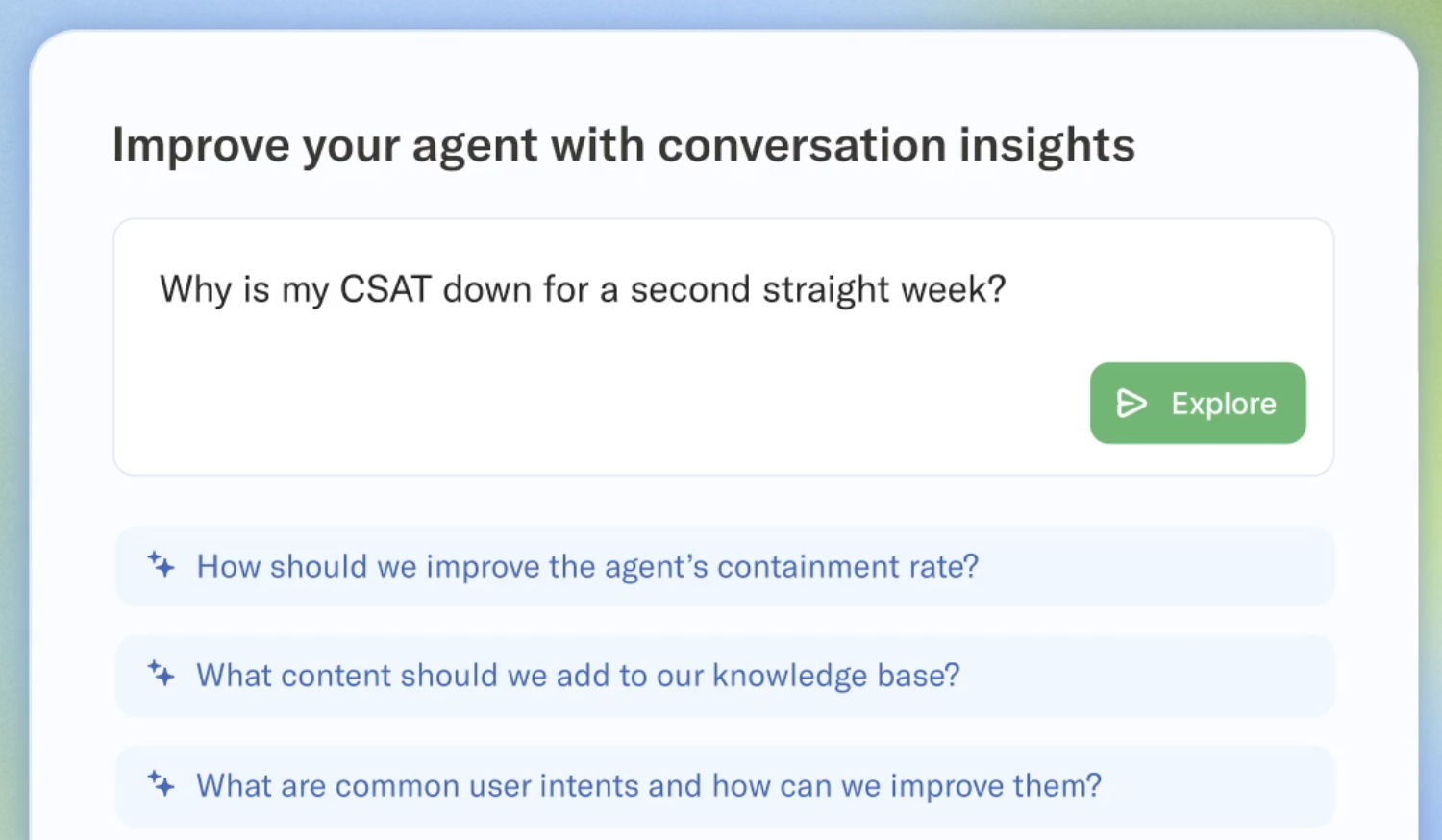
Best for: Enterprises with budget for a fully bespoke conversational agent.
Sierra builds custom conversational AI agents that handle complex, multi-step tasks like returns and subscription changes across voice, chat, email, and SMS. Its Knowledge Engine grounds responses in your FAQs, policies, and documentation to minimize hallucinations.
- Pricing: Not publicly disclosed; estimated around $150K per year depending on setup complexity.
- G2 rating: 4.3/5 (15 reviews).
- Proof point: SiriusXM, Sonos, and ADT are cited as customers in 2026 case studies.
Key benefits
- Handles complex, multi-step workflows end-to-end
- Omnichannel across voice, chat, SMS, and email
- Guardrails for brand-aligned workflow design
- Knowledge Engine reduces hallucinations with grounded context
12. Beam AI
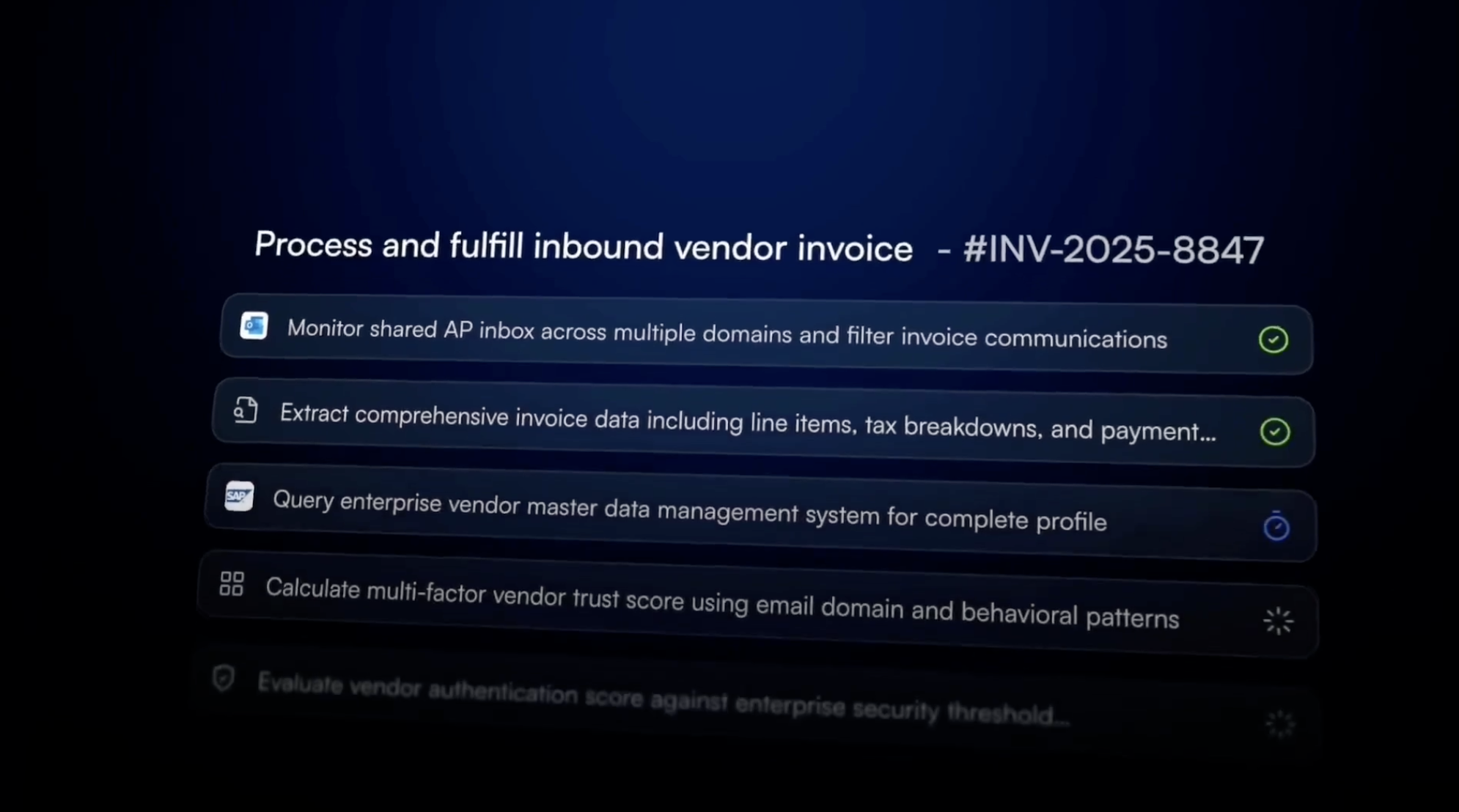
Best for: Operations teams automating cross-functional business processes.
Beam deploys self-learning AI agents that work together to optimize workflows across support, supply chain, finance, and healthcare. Pre-configured agent libraries speed up deployment for common business functions.
- Pricing: Not publicly disclosed.
- G2 rating: Not on G2.
- Proof point: Not published. No named, dated customer result found.
Key benefits
- Self-learning agents that continuously optimize execution
- Multi-agent coordination for cross-functional automation
- Pre-configured agent library across multiple business functions
- Real-time adaptation to shifting operational demands
13. AgentOps AI
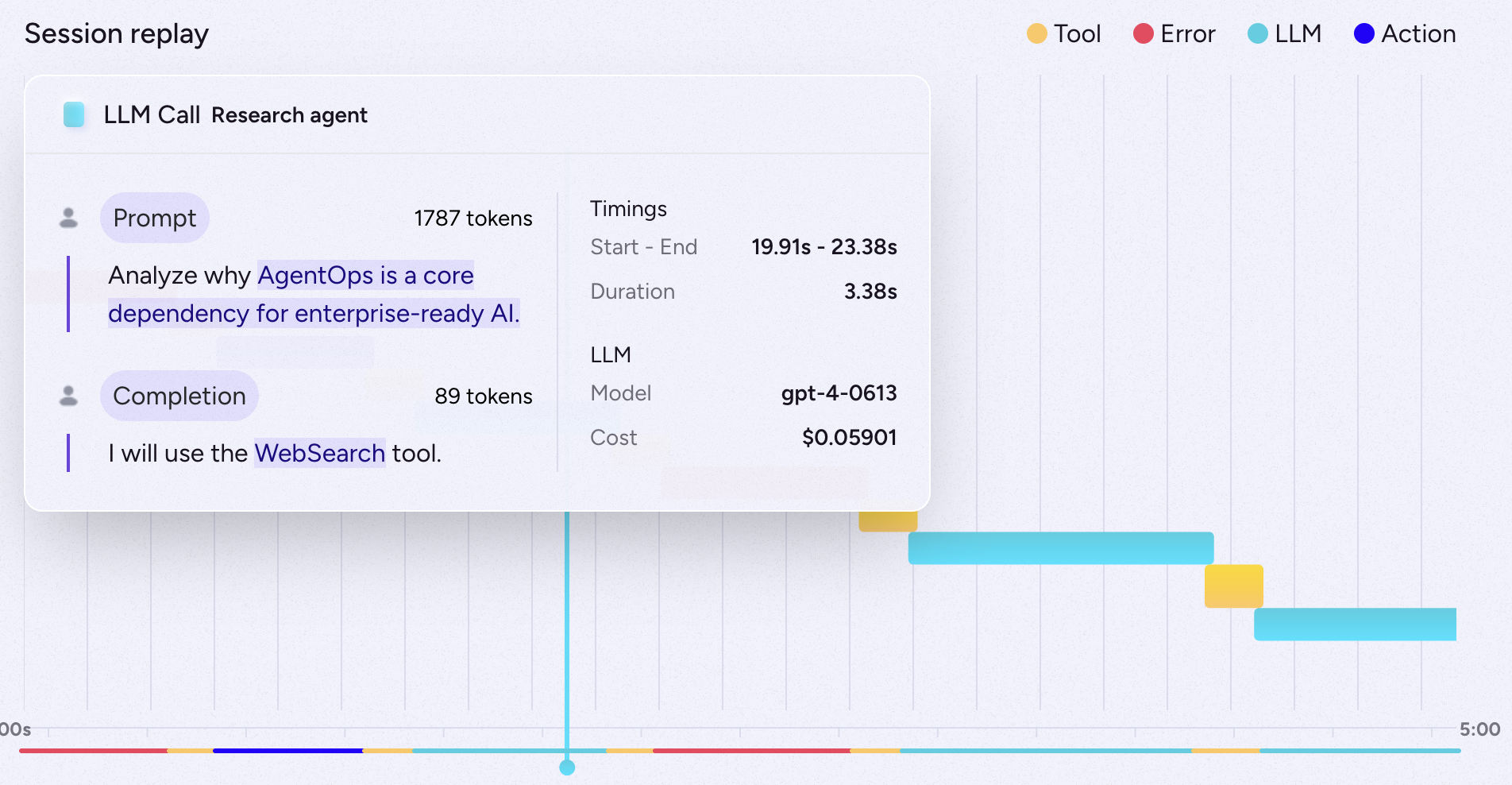
Best for: Engineering teams building and debugging their own agent stack.
AgentOps AI is a developer-first observability platform for AI agents and LLM applications, with time-travel debugging, real-time logging, and cost tracking across 400+ LLMs and frameworks like OpenAI SDK, CrewAI, and LangChain.
- Pricing: Free tier (50,000 events/month); $49/month (Pro, 500,000 events); custom Enterprise.
- G2 rating: Not listed on G2.
- Proof point: Not published. No named, dated customer result found.
Key benefits
- Time-travel debugging and real-time observability
- Tracks every token, LLM call, and tool invocation
- Integrates with OpenAI SDK, CrewAI, AutoGen, and LangChain
- Full audit logs and prompt-injection protection
How to pick an AI agent platform for your business
Choosing the right AI agent platform is about more than comparing features. Work through these six factors before you commit.
Step 1 - Define your use case
Get clear on what problem you want AI agents to solve before you take a single demo. Customer service automation, internal operations, agentic commerce, and engineering tasks call for different platforms entirely, so a defined use case is what lets you narrow the field to the vendors above worth a closer look.
Step 2 - Assess technical fit
AI agent platforms range from no-code tools built for non-technical teams to engineering-heavy platforms that require API integration and custom workflow configuration. Match that range to your team's actual bandwidth. If you don't have engineering time to spare, prioritize the no-code AI agent builders in the table above.
Step 3 - Look for scalability
Most teams start with one or two narrow use cases, but a platform that can't support multi-agent systems, centralized control, and role-based permissions will hit a ceiling fast once agentic AI proves its value and you want to expand it to other departments.
Step 4 - Check channel support
Confirm the platform covers the channels your customers actually use, whether that's in-app chat, web, email, SMS, or voice. For the most seamless experience, look for omnipresent AI agents that retain context and memory as customers move between channels.
Step 5 - Evaluate governance, security, and compliance
Autonomous agents without tech-enforced guardrails are a liability, especially in healthcare, finance, or regulated enterprise IT. Look for audit logs, data governance controls, compliance with standards like SOC 2, HIPAA, or GDPR, and clear control over agent tone, guardrails, and the knowledge it draws from.
Step 6 - Consider strategic support
The best AI agent platforms pair the technology with real onboarding support, help defining success metrics, and ongoing guidance for fine-tuning your systems, not just a self-serve product and a support ticket queue.
What sets the best agentic AI companies apart
All the leading AI agent platforms in 2026 make it easy to build and manage agents. What separates the best from the rest is trust. Delight.ai's own 2026 consumer research found that 71% of consumers already use AI customer service, but only 57% say they like it, a 14-point gap that's become the real competitive battleground (Delight AI Index, 2026). Prioritize vendors whose agents are well-governed, secure, compliant, and flexible enough to fit your team, not just the ones with the longest feature list.
Delight.ai's agentic AI platform for CX and no-code AI agent builder enables your team to deploy intelligent, scalable AI agents for customer service without the need for heavy engineering resources.
Contact our team of AI experts to learn more.